2026 Flooring Trends: Why Natural Wood Is Taking Center Stage
Published by AMUER
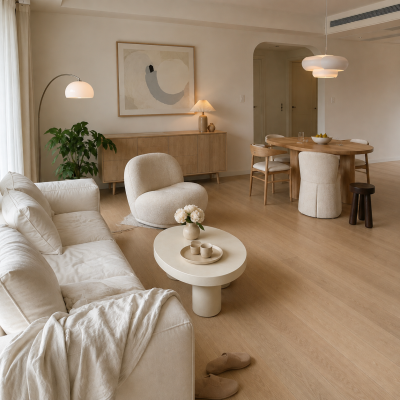
Flooring is increasingly being treated as an important part of a home's overall design rather than simply a practical surface. Recent consumer and interior design coverage points to a clear preference for warmer colors, natural materials, authentic textures, and finishes that are easier to live with every day. For homeowners planning a renovation in 2026, these changes offer a useful guide to choosing a floor that feels current without becoming overly dependent on short-lived trends.
Natural wood flooring is particularly well positioned within this shift. Oak, warm brown tones, wider boards, matte finishes, and visible grain are appearing frequently in current residential flooring discussions. At the same time, homeowners are becoming more focused on durability, maintenance, and long-term value when making renovation decisions.
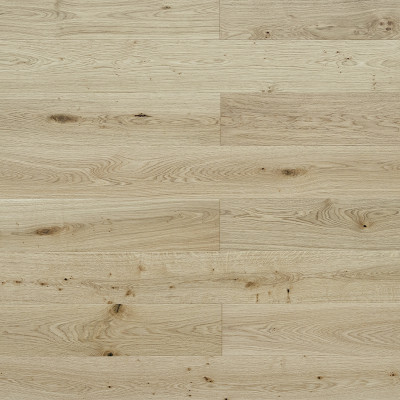
One of the most noticeable changes in residential flooring is the movement away from cool gray and highly neutral floors toward warmer wood colors. Recent flooring trend coverage has highlighted honey, caramel, toffee, warm blonde, and natural oak tones as popular choices for contemporary interiors. These colors can create a softer visual connection between the floor, furniture, textiles, and other natural materials.
For homeowners, natural oak is also a practical design choice because its relatively balanced grain and neutral character can work with many interior styles. It can complement Scandinavian-inspired rooms, modern interiors, traditional homes, and warmer contemporary spaces without requiring a complete redesign when furniture or wall colors change.
Glossy flooring can create a polished appearance, but it can also make dust, footprints, scratches, and other everyday marks more noticeable. Recent consumer-focused flooring coverage recommends lower-sheen finishes and textured surfaces as more forgiving alternatives for busy households.
Matte, brushed, and wire-brushed surfaces can reduce the visual impact of small marks while allowing the natural grain of the wood to remain visible. This makes them particularly attractive to families who want a refined appearance without having to constantly maintain a perfectly polished surface.
The trend also reflects a broader preference for materials that look authentic. Instead of making wood appear completely uniform, contemporary flooring designs increasingly allow natural variation in grain, knots, color, and texture to become part of the visual character.
Wide-plank wood flooring continues to attract attention in residential interiors. Fewer joints across the floor can create a cleaner visual field and allow the grain pattern of each board to become more noticeable. Wider formats can also work particularly well in open-plan living areas where homeowners want continuity between different zones.
However, wider boards require careful product selection. Wood naturally responds to changes in temperature and humidity, so dimensional stability becomes increasingly important as plank dimensions increase. This is one reason engineered wood flooring can be an attractive option for homeowners seeking the appearance of real hardwood with a construction designed for greater stability.
Straight-laid planks are not the only option gaining attention. Herringbone and chevron patterns are continuing to appear in contemporary residential projects, combining traditional craftsmanship with modern colors and finishes. Current design coverage describes patterned hardwood as part of the renewed interest in more expressive flooring.
These layouts can become a major visual feature of a room, so homeowners should consider the size, lighting, furniture arrangement, and overall architectural style before selecting a pattern. A simple natural oak herringbone floor, for example, can provide visual interest without overwhelming a minimalist interior.
Design trends are useful, but flooring is a long-term investment. Homeowners should also consider how the floor will perform under everyday conditions. Important factors include the construction of the flooring, wear layer thickness, finish, installation method, room humidity, and expected traffic.
For homes with underfloor heating, product compatibility is particularly important. Recent 2026 guidance consistently emphasizes engineered wood as a suitable option when the product, heating system, installation method, temperature limits, and acclimation requirements are properly specified. Homeowners should always follow the flooring and heating-system manufacturer's installation requirements rather than relying on appearance alone.
Before choosing a floor, homeowners should ask five basic questions: Does the color work with the room's natural light? Is the surface suitable for the household's lifestyle? Is the construction appropriate for the installation environment? Can the finish withstand expected traffic? And will the style remain appealing over time?
The strongest flooring choice is not necessarily the most fashionable or the most expensive. A well-selected floor should balance appearance, durability, maintenance, installation requirements, and the character of the home.
The 2026 residential flooring landscape is moving toward warmth, authenticity, texture, and practical performance. Natural oak, warm wood tones, matte finishes, wide planks, and patterned layouts are giving homeowners more ways to create interiors that feel both contemporary and timeless.
For consumers, the key is to look beyond a trend photograph and understand how a flooring product will perform in real life. Choosing the right wood species, construction, finish, and installation method can help ensure that a beautiful floor remains a valuable part of the home for many years.
AMUER specializes in engineered wood flooring, offering three-layer and multi-layer constructions, European Oak flooring, wide-plank flooring, herringbone, chevron, and other wood flooring solutions for residential and commercial applications.
Learn more about engineered wood flooring and available flooring solutions at
www.amuerflooring.com.
Natural wood, warm oak tones, matte finishes, wider planks, and expressive patterns are shaping residential flooring trends in 2026. At the same time, homeowners are paying greater attention to durability, maintenance, dimensional stability, and installation requirements. The best flooring choice balances current design preferences with long-term performance, making product construction and installation conditions just as important as color and appearance.
Wood Flooring Trends, Engineered Wood Flooring, Oak Flooring, Hardwood Flooring, Home Flooring
2026 Flooring Trends: Why Natural Wood Is Taking Center Stage
August 21, 2026
Introduction
Warm Wood Tones Are Replacing Cold Gray
Matte and Textured Finishes Are Becoming More Practical
Wide Planks Create a More Open Visual Effect
Herringbone and Chevron Add Character
Performance Matters as Much as Appearance
What Homeowners Should Consider Before Buying
Conclusion
About AMUER
Summary
Keywords
Sources